






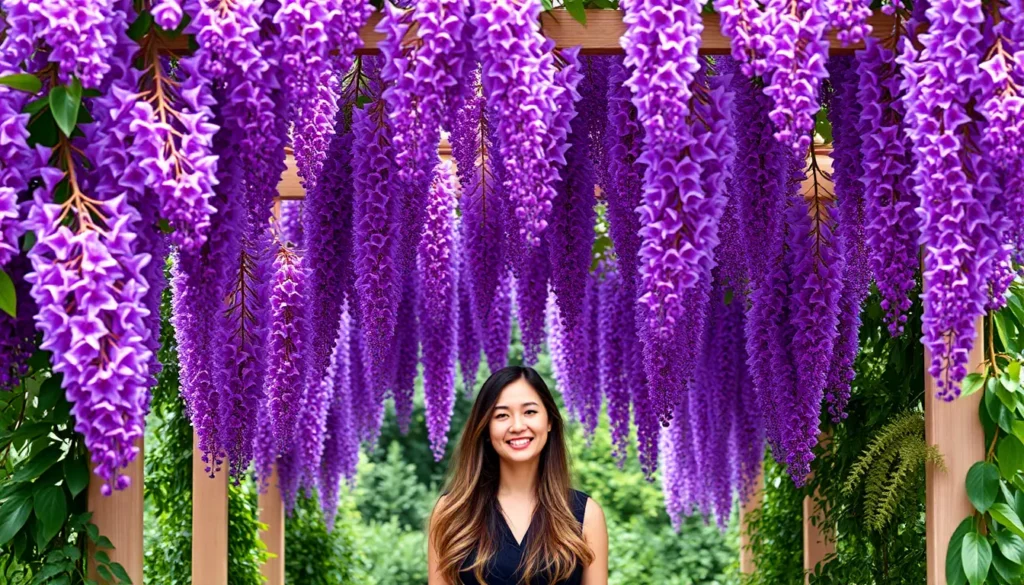
Wisteria isn’t just a plant; it’s a show-stopping diva of the garden world. With cascading clusters of purple blooms that look like they’re straight out of a fairy tale, this climbing beauty knows how to steal the spotlight. Imagine walking under a wisteria-laden trellis, feeling like you’ve just stepped into a romantic comedy where the flowers are the stars.
The Allure of Wisteria Beauty
Wisteria captivates with its cascading clusters of vibrant purple flowers. Many gardeners delight in the fragrant blooms that summon admiration from all who encounter them. This plant’s draping vines create picturesque settings, ideal for enhancing outdoor spaces. Visitors often feel transported to enchanting landscapes reminiscent of fairy tales.
In spring, wisteria transforms gardens, draping structures in a wave of color. This flowering vine thrives best in full sun, promoting robust blooms and growth. Training wisteria to grow along arbors or pergolas showcases its beauty while providing shade. Planting it near patios enables homeowners to enjoy the floral aroma and tranquility.
Various species of wisteria exist, such as Japanese and Chinese wisteria, each flaunting unique characteristics. The blossoms typically attract bees and butterflies, contributing to a vibrant ecosystem. Pruning techniques play a crucial role in encouraging healthy growth and maximizing flowering potential. Consequently, attention to care ensures these plants flourish, providing a stunning display each year.
When wisteria blooms, it often signifies the arrival of warm weather. Gardeners prefer incorporating this plant for its visual and sensory charm. The ethereal quality of wisteria lends itself to romantic settings, making it a popular choice for weddings and special events. Imagining a wedding adorned with wisteria creates a magical ambiance that many couples desire.
This stunning vine, with its striking visual impact, offers beauty and elegance to any landscape. The allure of wisteria lies in its ability to transform ordinary spaces into extraordinary experiences.
Varieties of Wisteria
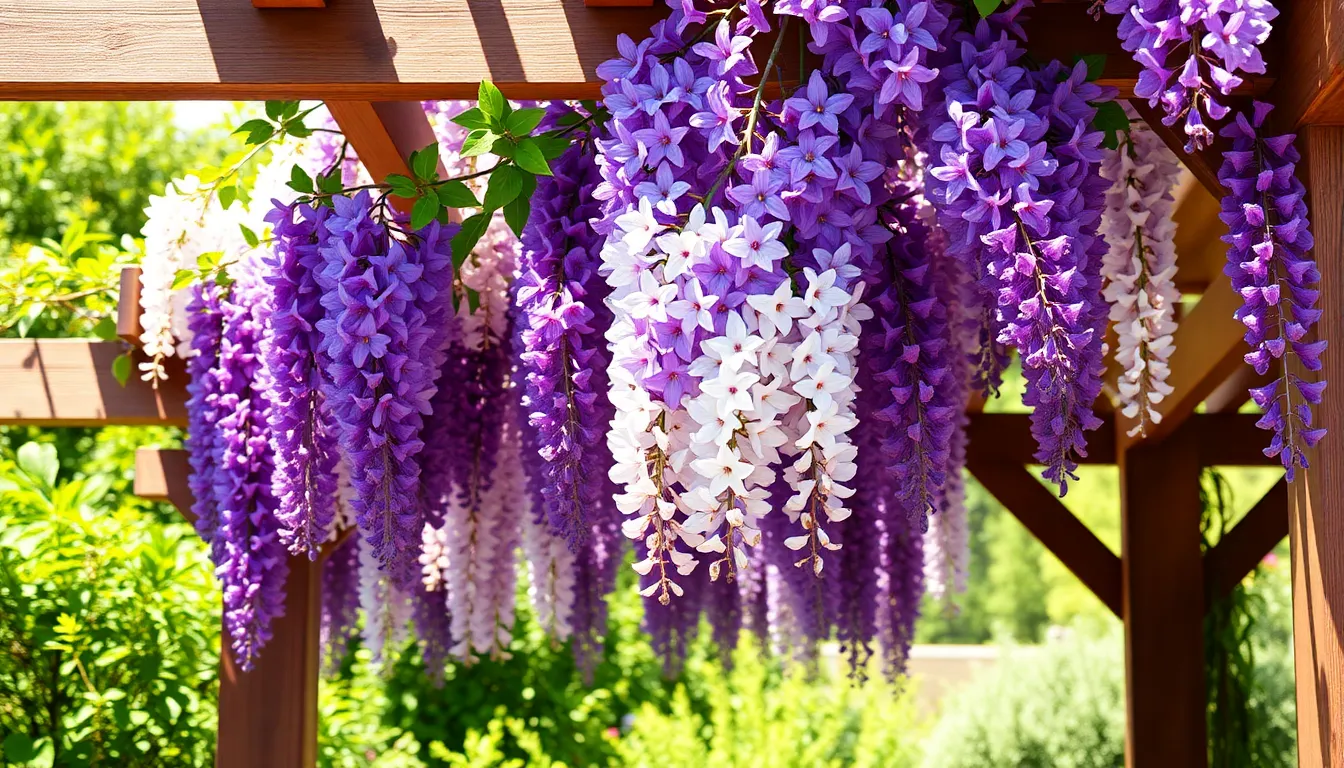
Wisteria features several notable species, each exhibiting distinct characteristics and charm.
American Wisteria
American wisteria, known scientifically as Wisteria frutescens, thrives in the southeastern United States. This variety produces shorter flower clusters compared to its Asian relatives. Dark purple blooms emerge in late spring, attracting various pollinators. Growing in USDA hardiness zones 5 to 9, it adapts to a range of soil conditions. American wisteria offers a vigorous growth habit and typically doesn’t require as much pruning as other types.
Chinese Wisteria
Chinese wisteria, or Wisteria sinensis, delights with its stunning, fragrant blooms. This species features long racemes that can reach up to 12 inches in length, producing shades of lavender, blue, and white. It thrives in full sun and requires well-drained soil for optimal growth. Typically blooming in mid-spring, this variety draws in honeybees and hummingbirds, enriching the surrounding ecosystem. Chinese wisteria quickly covers pergolas, making it a popular choice for creating enchanting outdoor spaces.
Japanese Wisteria
Japanese wisteria, referred to as Wisteria floribunda, captivates gardeners with its elegant, cascading flowers. The flower clusters can grow as long as 3 feet, creating a dramatic visual impact. This species blooms later in the spring, providing a prolonged flowering period. Japanese wisteria performs best in areas with plenty of sunlight and well-aerated soil. It exhibits a robust growth rate, often needing regular pruning to maintain shape and promote healthy flowering. Commonly seen in Japanese gardens, it enhances tranquility and beauty within landscapes.
Growing Wisteria
Wisteria flourishes with proper care and conditions, creating an enchanting display in gardens and landscapes. Understanding its needs ensures healthy growth and abundant blooms.
Ideal Conditions
Wisteria thrives in full sun, requiring at least six hours of direct sunlight daily. It appreciates well-draining soil rich in organic matter, enhancing its growth potential. USDA plant hardiness zones 4 through 9 support various species, including American, Chinese, and Japanese wisteria. Regular watering encourages strong root development, especially during dry spells. Fertilization in early spring with a balanced fertilizer promotes flowering and foliage health. Training wisteria on structures like arbors or trellises helps maximize display while preventing damage to other plants.
Common Problems
Wisteria sometimes encounters issues that affect its growth. Root rot arises from overly saturated soil, diminishing plant health and vitality. Pests, including aphids and spider mites, can infest foliage, causing discoloration and stunted growth. Fungal diseases like powdery mildew may develop in high humidity, affecting leaves and flowers. Improper pruning can reduce bloom rates or lead to erratic growth patterns. Keeping a watchful eye on conditions and addressing these issues early enhances the chances of thriving wisteria plants.
Wisteria in Landscaping
Wisteria enhances landscaping with its breathtaking beauty and elegance. Incorporating this stunning plant adds vibrant colors and delightful fragrances to outdoor spaces.
Garden Designs
Garden designs benefit significantly from wisteria’s striking presence. Planners often use it as a focal point or to create a breathtaking backdrop. Pairing wisteria with complementary plants, such as hydrangeas and ferns, enhances landscape diversity. It also provides vertical interest, drawing the eye upward with its cascading blooms. Since wisteria thrives in full sun, placing it in sunnier areas ensures maximum flowering and growth. Gardeners frequently choose varieties like Chinese wisteria for their long flowering racemes, making them practical for creating enchanting displays.
Trellises and Arbors
Trellises and arbors serve as perfect supports for wisteria. Training this vine onto structures showcases its graceful draping flowers while maximizing its potential for captivating displays. Arbor designs that incorporate wisteria create stunning entrances or garden walkways. Regular pruning ensures proper growth, allowing ample space for flowers to cascade beautifully. Selecting sturdy materials for trellises helps manage the weight of mature vines. Many users appreciate the enchanting atmosphere created by wisteria blooming around these structures, especially during spring celebrations.
Wisteria stands out as a breathtaking addition to any garden. Its vibrant blooms and enchanting presence create an atmosphere of romance and beauty. With various species to choose from each offering unique characteristics gardeners can find the perfect fit for their landscape.
Proper care and maintenance ensure these stunning plants thrive while enhancing outdoor spaces. By incorporating wisteria into garden designs and pairing it with complementary plants the overall aesthetic becomes even more captivating. Embracing the elegance of wisteria not only enriches personal gardens but also invites nature’s pollinators, contributing to a lively ecosystem.